
How to use an anti-ant pad: which side goes up, can you cut it, can you wash it, and how long does it last?
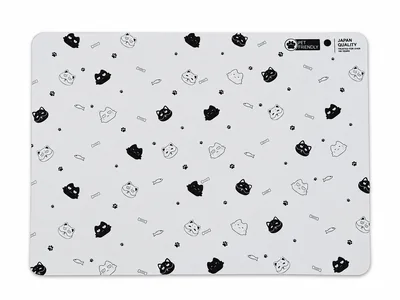 KAI67 anti-ant pad, large 30x42 cm฿149 · 1 pad · Order via LINE or fill in the form
Chat on LINE · ฿149
Written and reviewed by the KAI67 team, sellers of the 30x42 cm anti-ant pad (first lot received 7 Nov 2026) · See the real product photos and price · Updated 9 Nov 2026 · Order or ask on LINE @814ddrza
Swipe for the next topic · 11 topics
Which side of the anti-ant pad goes up?
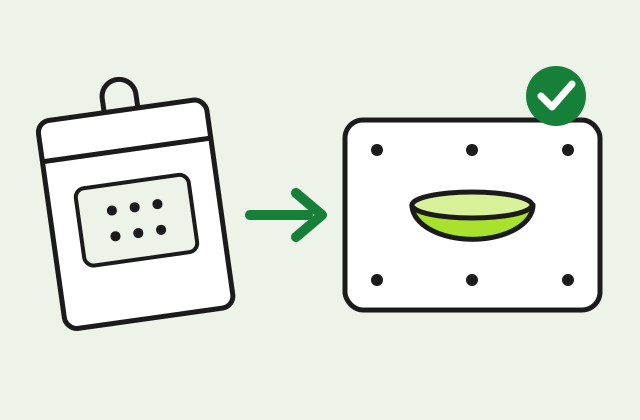
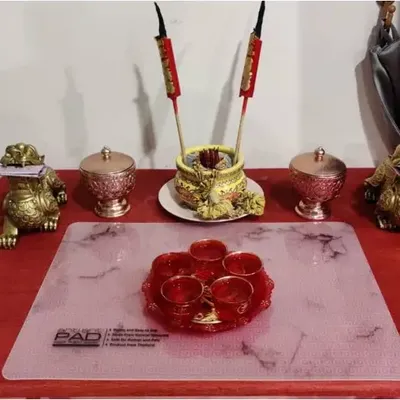
Put the smooth, glossy side facing up. Most pads are coated on both sides, but the side the maker intends you to use is the one with the pattern or logo. If your pad has no pattern, use the smoother, cleaner side. Place it on a dry, flat surface — not on a carpet or absorbent fabric, because moisture under the pad makes it deteriorate and smell musty.
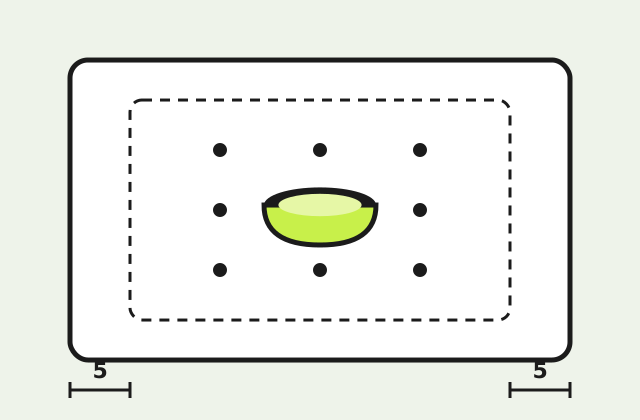
How much space should I leave from the edge of the pad?
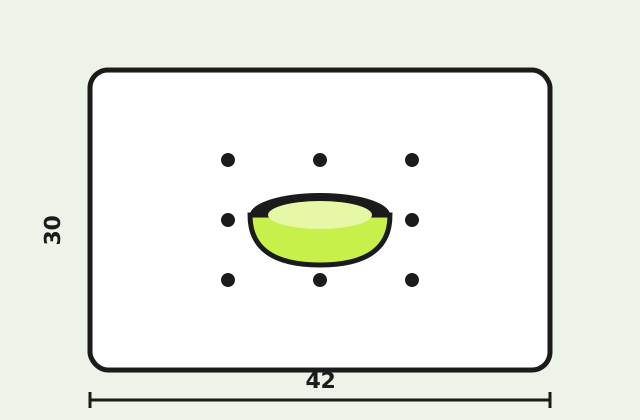
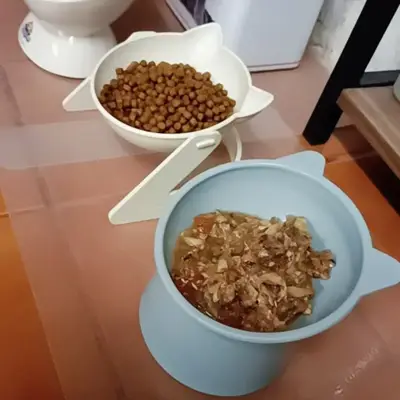
Leave at least 5 cm on every side. This is the single most important rule. Ants have to walk some distance across the pad surface before reaching your item for them to stop. If the bowl sits right at the edge, ants can climb from the floor onto the bowl without ever touching the pad. So on a 30x42 cm pad the usable area is 20x32 cm, and on a 24x32 cm pad it's 14x22 cm. Always measure your items before buying and add 5 cm on each side.
Keep reading: 6 more sections
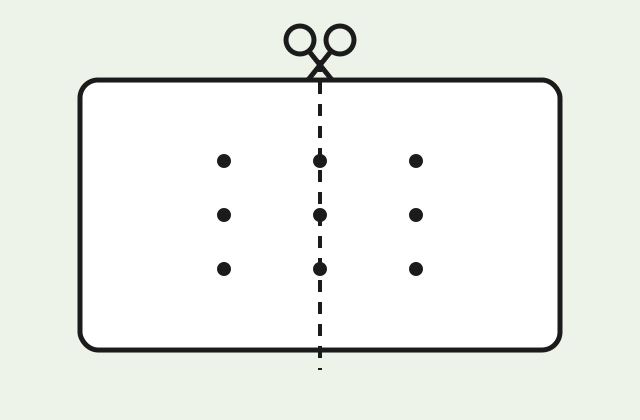
Can anti-ant pads be cut?
Yes, with scissors or a craft knife, because the coating covers the whole surface, not just the edges, so a cut piece works just like a full pad. The thing to watch is that after cutting you still need a 5 cm edge on the new piece — a piece that's too small leaves no room for your items. Also don't cut it so small that a cat or dog can carry it off to play with. After cutting, trim off sharp corners with scissors so they don't cut your hands.
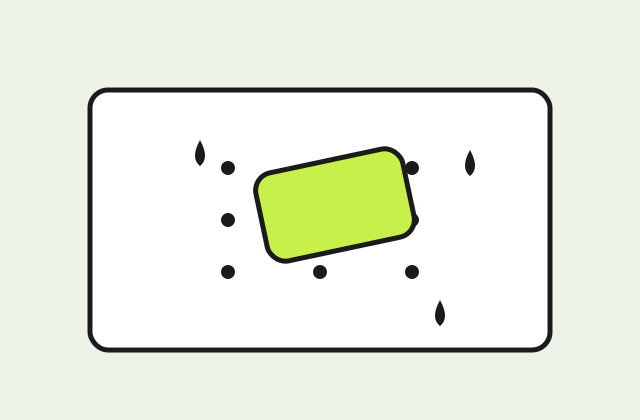
Can anti-ant pads be washed or soaked in water?
You can wash it with plain water when it gets dirty, but don't soak it — wash it and wipe it dry straight away. Leaving the pad wet for a long time or soaking it in a sink is what manufacturers say makes the coating wear out faster. For everyday use, wiping it with a damp cloth followed by a dry one is enough; there's no need to take it to the sink every day.

How do you clean an anti-ant pad day to day?
Every morning, or each time you refill the food, lift the bowl, wipe food crumbs and spilled water off the pad with a damp cloth, then wipe it dry. For sticky sugary spills, use only warm water and a cloth. Food crumbs on the pad are the number one reason ants still come to the edge of the pad, so wiping it every day matters more than a big monthly wash.
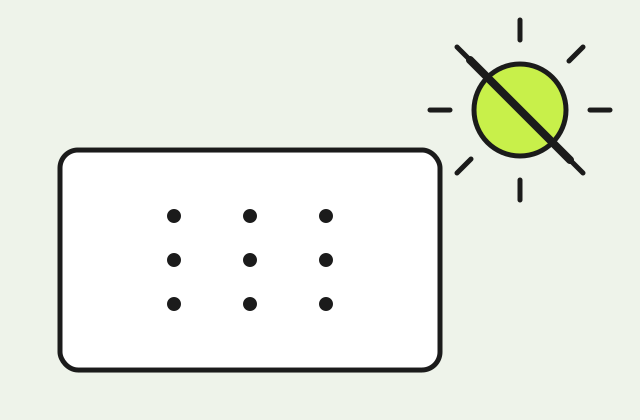
How long do anti-ant pads last?
Makers of hard pads on the market state 1–2 years, and some state 2–3 years, depending on how they're used. KAI67 will state the figure for our own product once we receive the documents from the manufacturer. Three things shorten a pad's life: direct sunlight, heat from very hot pots or stoves left sitting on it, and built-up moisture. Used indoors and wiped dry every time, a pad usually lasts as long as stated.
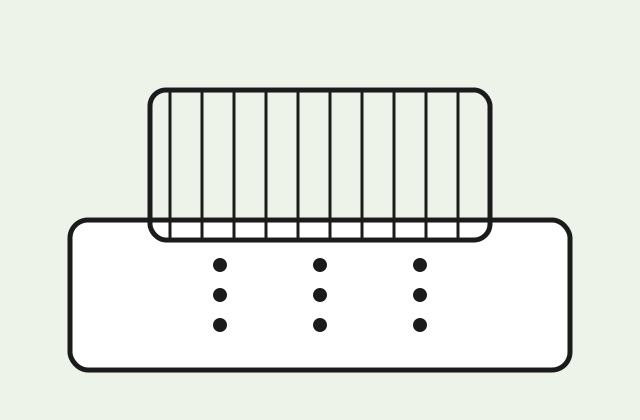
Can anti-ant pads be used outdoors, on a balcony or under a pet cage?
You can use it on a balcony or at the front of the house if it's out of the sun and rain, for example under a roof or eaves. It works well under hamster, bird or rabbit cages, because food bits from the cage attract ants all the time. Put the cage in the middle of the pad and wipe under the cage every day, just like with a food bowl. If the cage is larger than the pad's usable area, put 2 pads edge to edge with no gap between them. If a pad cannot go in that spot, see other options in how to keep ants away.
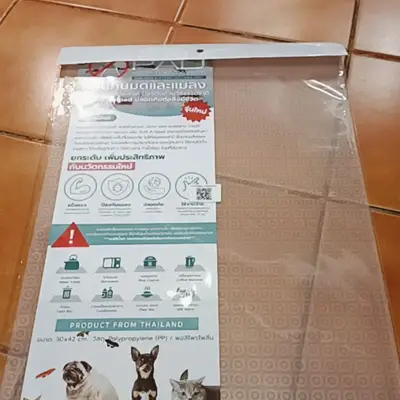
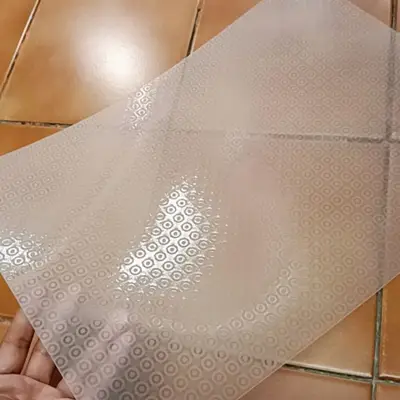
Unboxing video of a 30x42 cm anti-ant pad, showing the leaflet that states the pad size, the polypropylene material and the 5 cm edge gap