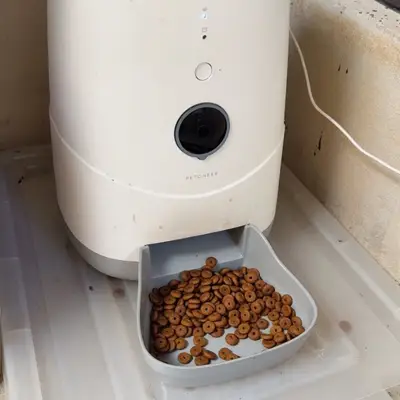

Do anti-ant pads really work? Are they any good, and why do ants still get up after you put one down?
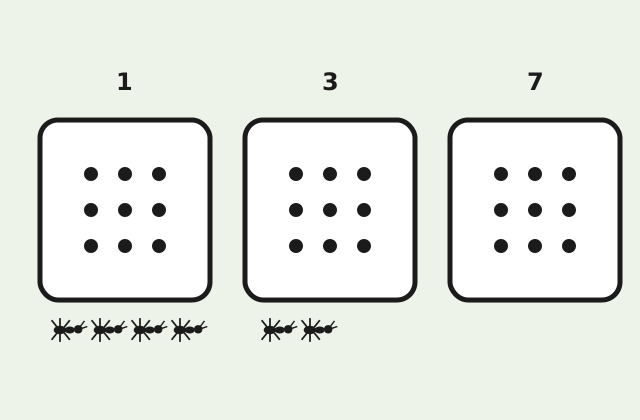
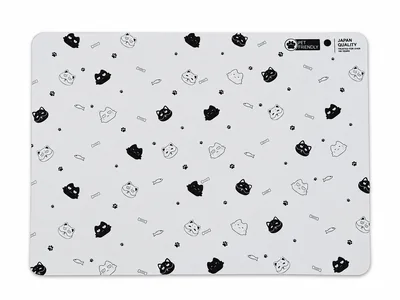 KAI67 anti-ant pad, large 30x42 cm฿149 · 1 pad · Order via LINE or fill in the form
Chat on LINE · ฿149
Written and reviewed by the KAI67 team, sellers of the 30x42 cm anti-ant pad (first lot received 7 Nov 2026) · See the real product photos and price · Updated 9 Nov 2026 · Order or ask on LINE @814ddrza
Swipe for the next topic · 10 topics
Why do ants still get in after I put down an anti-ant pad?
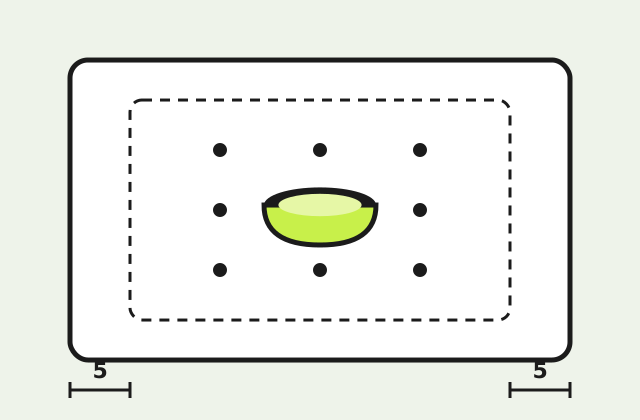
The 5 most common causes, in order: one, food crumbs or sugary spills on the pad, so ants eat at the edge without needing to reach the bowl. Two, the bowl is too close to the edge, so ants climb from the floor straight onto the bowl. Three, the pad has been down for less than 3 days and ants still remember their old trail. Four, there's a bridge for ants to walk across, such as a tablecloth hanging to the floor, a power cord, or a wall the bowl is leaning against. Five, the pad has worn out from sun or moisture after long use.
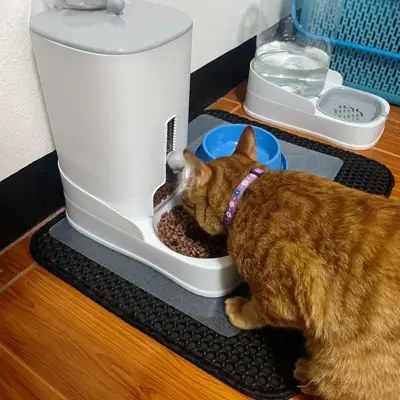
To check: lift the bowl and look for crumbs under and around it, move the bowl to the middle of the pad, look for anything running from the floor to the items on the pad, then wait another 3 days. Only if you've done all that and ants are genuinely walking across the pad surface should you suspect the pad has worn out.
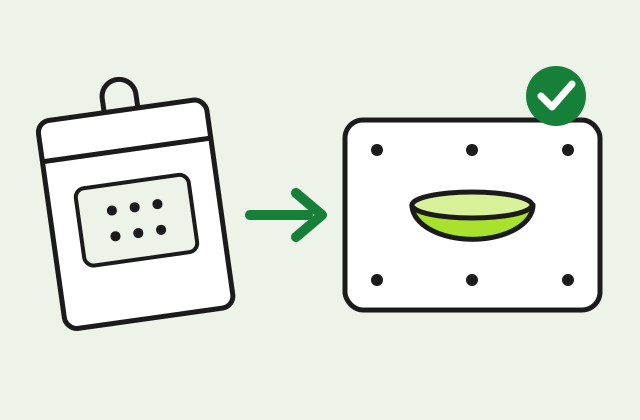
How many days does an anti-ant pad take to work?
Most manufacturers say 1–10 days. Homes with a lot of ants may need to wait up to a week. The reason is that ants follow pheromone trails left along their old route, so you have to wait for that trail to fade and for the ants to stop sending scouts. During this time, don't move the pad or the bowl around, because every move resets the count to day one.
Keep reading: 5 more sections
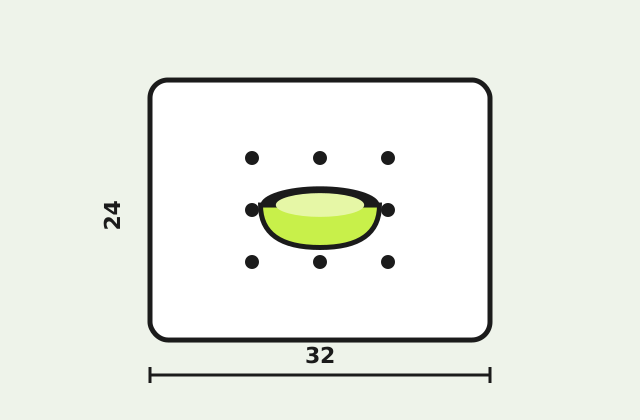
How can I test for myself whether an anti-ant pad works?
Here's a simple 7-day test that needs no equipment. Day 0: in the morning, photograph the bowl with ants on it as a record, then put the pad down and place the bowl in the middle of the pad in the same spot. On days 1, 3 and 7, take a photo at the same time and count the ants "in the bowl", not around the pad. If the number in the bowl drops to zero by day 7, the pad is working. If there are still as many ants in the bowl even though you've met all the conditions, contact the shop.
KAI67 hasn't published our own test results on this page yet. We'll post real photos from days 1, 3 and 7 once the test is finished, and we won't use mock-up images in place of real results.
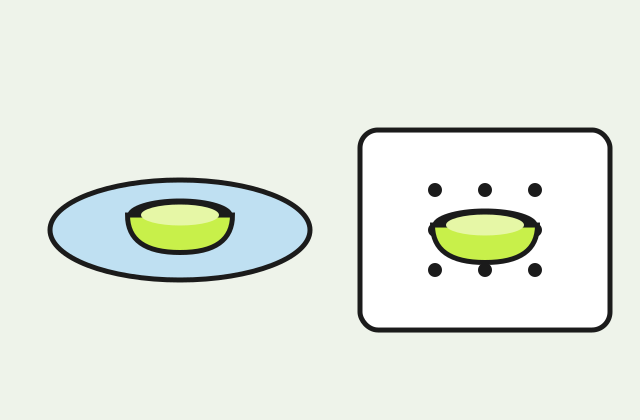
Is an anti-ant pad really better than a water tray?
It's better for upkeep: no refilling, no spilled water and no mosquitoes. But a water tray works "instantly" on day one, while a pad takes several days. If you need results tonight, the water tray wins. If you want something you can put down and not touch again for a year, the pad wins. Many households use both for the first week and then remove the water tray.
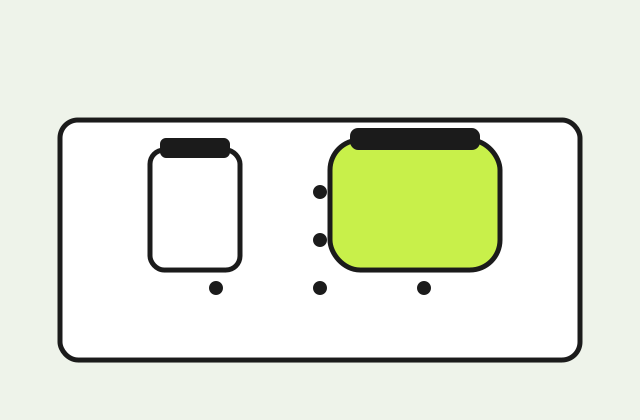
When won't an anti-ant pad help?
The pad won't help when ants aren't climbing up from the floor to reach what's on the pad — for example, ants coming out of a nest in the wall above the counter, ants getting into a food cabinet from the back, ants living in a plant pot that's sitting on the pad itself, or flying ants landing on things. In these cases you need to find the nest or the ants' entry point and deal with it there. The pad is only a tool for protecting individual items, not for getting rid of ants in the whole house. Other methods to use instead or alongside are covered in how to keep ants away.

Are anti-ant pads good value for the price?
A 30x42 cm pad sells for ฿99–199 on the market, and manufacturers state a lifespan of 1–2 years — that's under ฿10 a month. It's cheaper than spray you have to keep buying, and cheaper than cat food you have to throw out because ants got into it. So whether it's worth it depends on how often you have ant problems. If ants turn up every week, the pad pays for itself in the first month. If they turn up once a year, you don't need one.
What should I do if the anti-ant pad really isn't working?
Follow these steps in order. One, take a photo of the pad and bowl showing the gap to the edge. Two, wipe the pad with a damp cloth, then dry it. Three, wait a full 7 days without moving the pad. Four, if it's no better, send the photos to the shop you bought from. KAI67 customers can send photos via LINE @814ddrza and the admin will help check the placement and suggest fixes. See the full correct placement steps in how to use an anti-ant pad